World Homelessness Day, 10 October, is a reminder that far too many children and young people in Australia are experiencing homelessness. Almost 1 in 4 people experiencing homelessness in Australia are aged 12–24.
Youth homelessness is often hidden and behind every statistic is a young person who should be thinking about school, friends and their future, not where they will sleep tonight.
At Lighthouse Foundation, we believe every young person deserves a stable home, a sense of belonging and people to walk beside them.
What is World Homeless Day?
World Homelessness Day is held on 10 October every year. It began in 2010, when people working with homelessness around the globe came together online and agreed the issue needed a shared day of attention.
More than 15 years on, it’s a day for communities to talk about homelessness, understand why it happens and take action locally. Schools, workplaces, charities and neighbours all mark it in their own way.
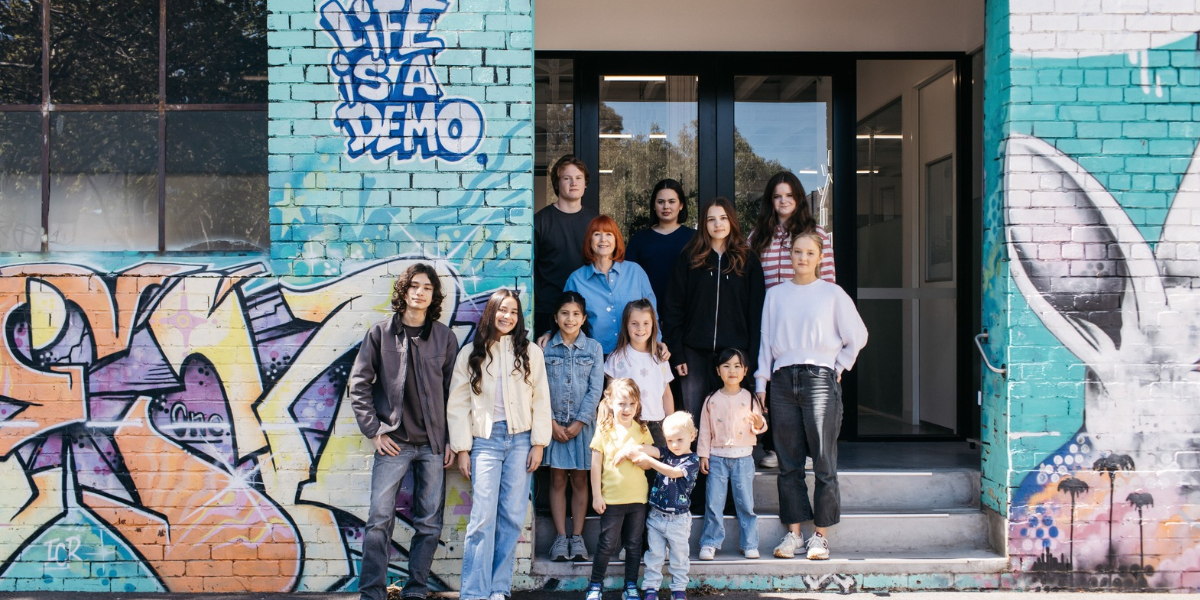
For Lighthouse, World Homelessness Day is a chance to shine a light on the people who are too often left out of the conversation: children and young people. When we picture homelessness, we rarely picture a 16-year-old couch surfing between friends’ houses or a young mum with a newborn and nowhere safe to go. Yet for 35 years, these are the young people who have walked through our doors.
Youth homelessness in Australia and Victoria
At the last Census, more than 28,000 Australians aged 12–24 were experiencing homelessness, including more than 7,600 young people in Victoria. The real number is likely higher, because so much youth homelessness goes unseen.
Most young people without a home aren’t sleeping rough. They’re couch surfing, moving between relatives, staying in overcrowded houses or sleeping in cars. Some stay somewhere unsafe because it feels like the only option. None of these is a home.
What leads to youth homelessness
Youth homelessness rarely starts with a young person choosing to leave. More often, it starts with something they couldn’t control:
Family violence, abuse and neglect.
In 2025, a report of child abuse, neglect or family violence was made in Australia nearly every minute. For many young people, leaving is the only way to be safe.
Leaving out-of-home care.
Young people ageing out of the care system often lose their support network overnight.
Family breakdown and trauma.
Conflict, grief and mental health challenges at home can push young people out before they’re ready.
The causes of youth homelessness are complex, and some young people face additional barriers to safe, stable housing. Aboriginal and Torres Strait Islander young people are also disproportionately represented among people experiencing homelessness.
Beyond the emergency homeless shelter: why young people need long-term support
When a young person has nowhere to go tonight, an emergency homeless shelter can be a lifeline. Emergency housing shelters and youth shelters offer a safe bed, a meal and a door that locks. That matters enormously.
But a bed for the night isn’t the same as a home.
Many of the young people who come to Lighthouse have moved between youth shelters, refuges and friends’ couches for months, sometimes years. Each move means a new set of faces, new rules and another goodbye. For a young person carrying trauma, that constant change can make it harder to trust anyone at all.
Healing from trauma doesn’t happen in a week. It happens slowly, through consistent, caring relationships with adults who show up every day. It happens through ordinary moments: a shared dinner, help with homework, someone who remembers your birthday. That’s why the right support services for homeless youth need to go beyond crisis care and stay with young people for as long as they need it.
How Lighthouse’s therapeutic programs help children and young people belong
For 35 years, Lighthouse has provided homes and therapeutic care to young people who need it, where they need it, for as long as they need it.
In our Lighthouse Homes, young people aged 16–25 live alongside dedicated carers, supported by a wider team of clinicians. Our Model of Care is built on a simple idea: young people heal through safe, trusting relationships. Carers are there for the everyday moments and the hard ones, helping young people rebuild trust, finish school and plan their future.
Our programs also support young parents and their babies, young women rebuilding their lives, and children through foster care, kinship care and family support.
At Lighthouse, belonging is at the heart of this work. It means more than having a safe place to live. It means knowing you are welcome, that people care about you and that you have relationships you can count on. For young people who may have experienced instability, trauma or broken relationships, that sense of connection can be an important part of healing and learning to trust again.
For former Lighthouse young person, this is what belonging means:
“For me, belonging means knowing you will always be welcome somewhere. At Lighthouse, you will always belong.”
More than 1,605 young lives have been changed through our care, and more than 80% of young people do not return to homelessness.
Donate $10 this World Homeless Day
Donate $10 this World Homeless Day to support Lighthouse Foundation and help a young person find a safe, loving place to belong.
👉 Donate here.
Want to do more? Become a Lighthouse Keeper with a monthly gift, volunteer with our community, fundraise, or open your home as a foster carer. Together, we can end youth homelessness.