Every child deserves a safe and stable place to call home.
For children and young people who cannot live with their families, foster carers provide much more than a place to stay. They open their homes, make room in their everyday lives and provide the consistency, care and connection that can help a young person feel safe, supported and able to grow.
This is especially important in the early years of a child’s life. The first few years are a critical period for brain development, with early experiences and relationships helping to shape the foundations for future learning, relationships, health and wellbeing. Responsive, nurturing relationships with caring adults can help build strong foundations and provide a buffer against the impacts of adversity.
For a foster carer, that means the everyday things can matter enormously. Being there in the morning, sharing a meal, comforting a child when they are upset, celebrating the little milestones and creating routines and being someone a child can count on.
This Foster Care Week, from 13 to 19 September, we’re celebrating the incredible people who open their doors and hearts to children and young people in care. This year’s theme, Open Doors. Open Hearts. Open Opportunities, recognises the important role foster carers play in helping children feel safe, supported and connected.
And there is an ongoing need for more people to step forward.
The latest Foster Care Association of Victoria Carer Snapshot found that Victoria has 18% fewer active foster carer households available to provide home based care than it did in 2020. While the number of active households has stabilised, the pool remains smaller than it was before the pandemic, with direct implications for placement availability and continuity of care.
For some children, foster care may be needed for a short time. For others, a long-term foster home can provide the stability and connection they need for months or years.
Meet Ana and Aaron: Opening Their Home to Long Term Foster Care
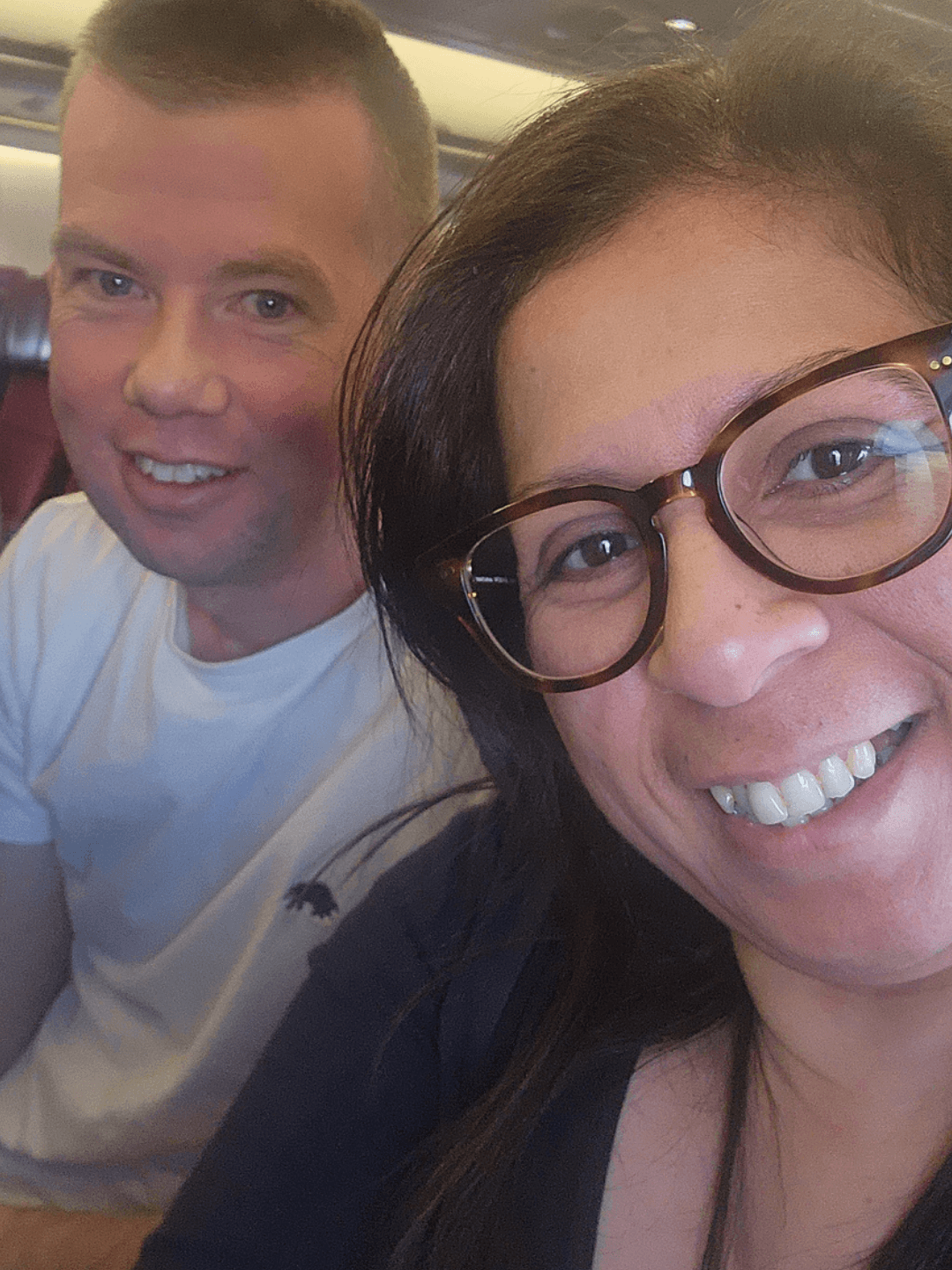
For Ana and Aaron, becoming foster carers started with something many families have: a spare bedroom, a desire to help and the feeling that they had room in their lives to welcome a child.
Their fostering journey began with respite care, opening their home to children for shorter stays. As they experienced the rewards of fostering and saw the difference a safe and supportive home could make, their journey grew into providing long term care.
For Ana, fostering was also something she had grown up around. Her own parents had raised other children, so from a young age she had seen the difference that opening your home to a child can make.
We knew there were a lot of kids who weren’t living in homes and needed somewhere safe
What fostering is really like
Before becoming a foster carer, Aaron had imagined that caring for children who had experienced difficult circumstances might be challenging.
“There’s definitely kids out there that have challenging behaviours,” he says. “But we haven’t experienced that with
either of the kids we’ve had.”
Instead, their experience has been one of children settling into family life and becoming part of their everyday routines.
That doesn’t mean fostering doesn’t require time and commitment.
Both Ana and Aaron work, and welcoming a child into their home means making space for school, routines, appointments, meetings, activities and all the little things that come with family life.
“You put a lot of effort into it,” Aaron says.
Sometimes the housework can wait. Sometimes the day needs a little more planning. But for Ana and Aaron, those changes have been more than worth it.
It’s been fun. It’s been really good.
And one of the most rewarding parts for them is seeing the children grow.
Watching their confidence develop, seeing them settle into routines and being there as they reach new milestones are the moments that make the commitment worthwhile.
For Ana and Aaron, long term foster care is about making room in everyday life for a child who needs consistency, care and someone who is willing to be there, and then having the privilege of watching them grow.
Why Long-Term Foster Care Matters
For some children, having a safe and stable home is not just about where they live. It is about having the opportunity to build trust, relationships and a sense of belonging over time.
Long term foster care can provide that continuity for six months or longer, depending on a child’s individual circumstances and care plan.
It can mean having someone there for the ordinary moments that become so important: school mornings, family meals, weekend activities, birthdays and milestones.
For children who have experienced trauma, loss or uncertainty, these experiences can help create a sense of safety and predictability.
And for carers, opening their home can be an opportunity to make a meaningful difference at an important point in a child’s life. Many foster carers describe a strong sense of purpose in knowing they have been able to provide a child with care, connection and a place to belong.
At Lighthouse, we know carers need support to do this well. That’s why we provide comprehensive training, ongoing support and a community of foster carers and professionals to walk alongside them.
Foster Carers Don’t Do It Alone
Opening your home is a big decision, and no one is expected to do it alone.
At Lighthouse, foster carers have access to 24/7 support, in home coaching, ongoing learning, clinical supervision, reflective practice, respite and opportunities to connect with other carers.
Our Hub Home also provides a familiar place for children and young people to spend time through respite and sleepovers, while connecting foster families with therapeutic carers and the wider Lighthouse community.
Our Lighthouse Model of Care is trauma informed and recognises the importance of safe, stable relationships in supporting children and young people to heal and grow.
For Ana and Aaron, knowing that support is there has been an important part of their fostering experience.
Take the First Step
Becoming a foster carer is a big decision. You don’t have to know all the answers before you begin.
For Ana and Aaron, their advice to anyone considering fostering is simple.
Make an inquiry. Take the first step.
Start by asking questions. Talk to the Lighthouse team. Find out what is involved and whether fostering could be right for you and your household.
As Aaron says, “I say do it.”
You could have a spare bedroom. You could have the time, patience and willingness to make room in your life for a child who needs you.
This Foster Care Week, consider opening your door.
Open your heart. Open opportunities. Take the first step towards becoming a foster carer with Lighthouse.
Learn more about becoming a foster carer